In July 2025, the annual Frankfurt Summer School for Early Modern History, supported by the POLY Research Group, took place on the Westend Campus of the Goethe University
The Frankfurt Research Group Polycentricity and Plurality of Premodern Christianities (POLY), in cooperation with the Franco-German Research Group GRACEFUL17: Global Governance, Local Dynamics. Transnational Re...
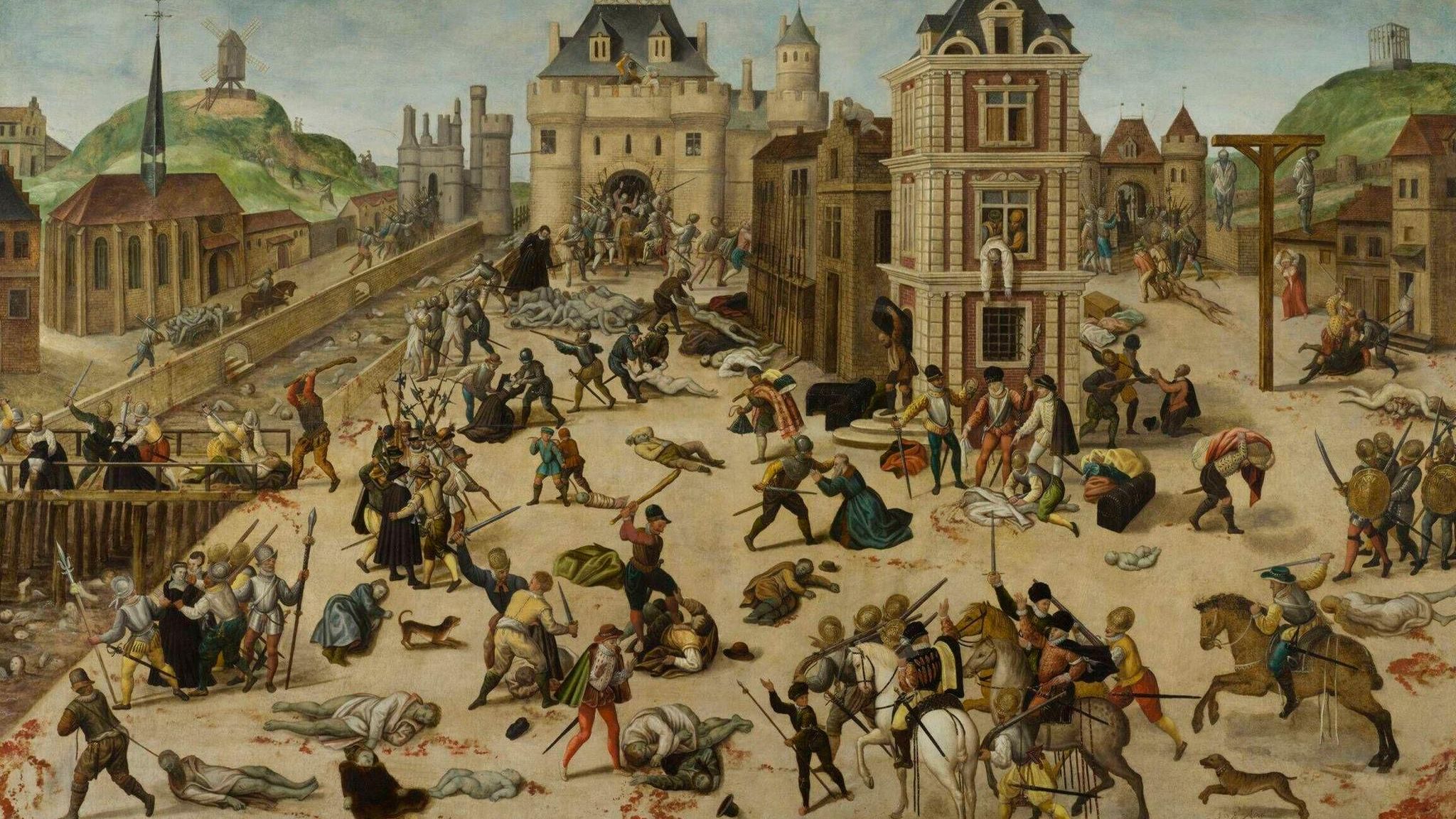
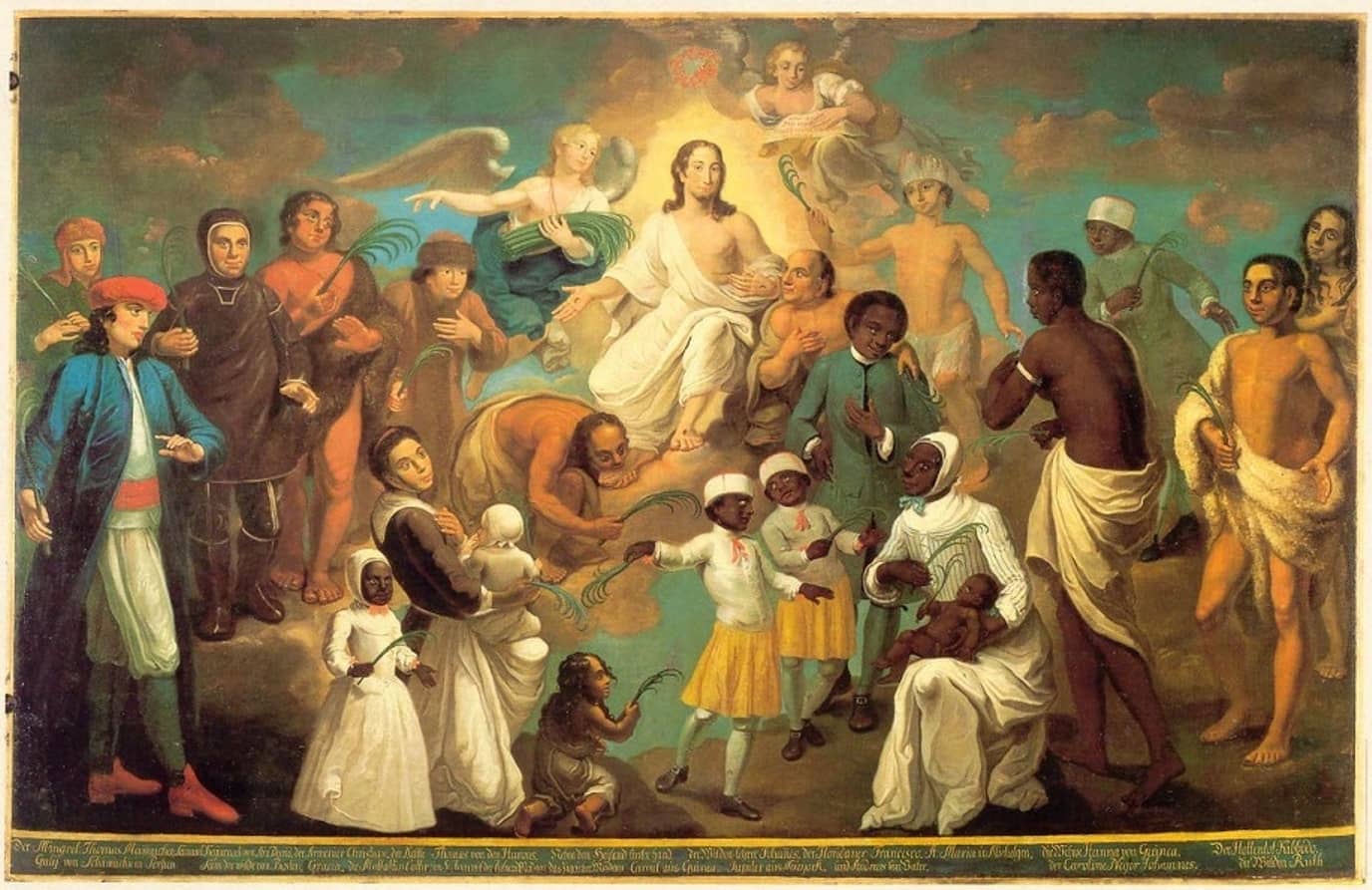
Following the Reformation, religious affiliation certainly played a major role in the Holy Roman Empire. Adherents of different Christian denominations believed their faith was the only true one. Despite this c...
In an attempt to Christianise the indigenous population, French missionaries travelled to the American South. There, communication was difficult and sometimes unsuccessful. The numerous reports circulating in E...
Under the title “Bauernkrieg polyzentrisch? Dezentrierung und Entgrenzung in den Aufstandsbewegungen 1524–1526”, early modern historians explored the polycentricity of the so-called Peasants’ War in the 1520s.
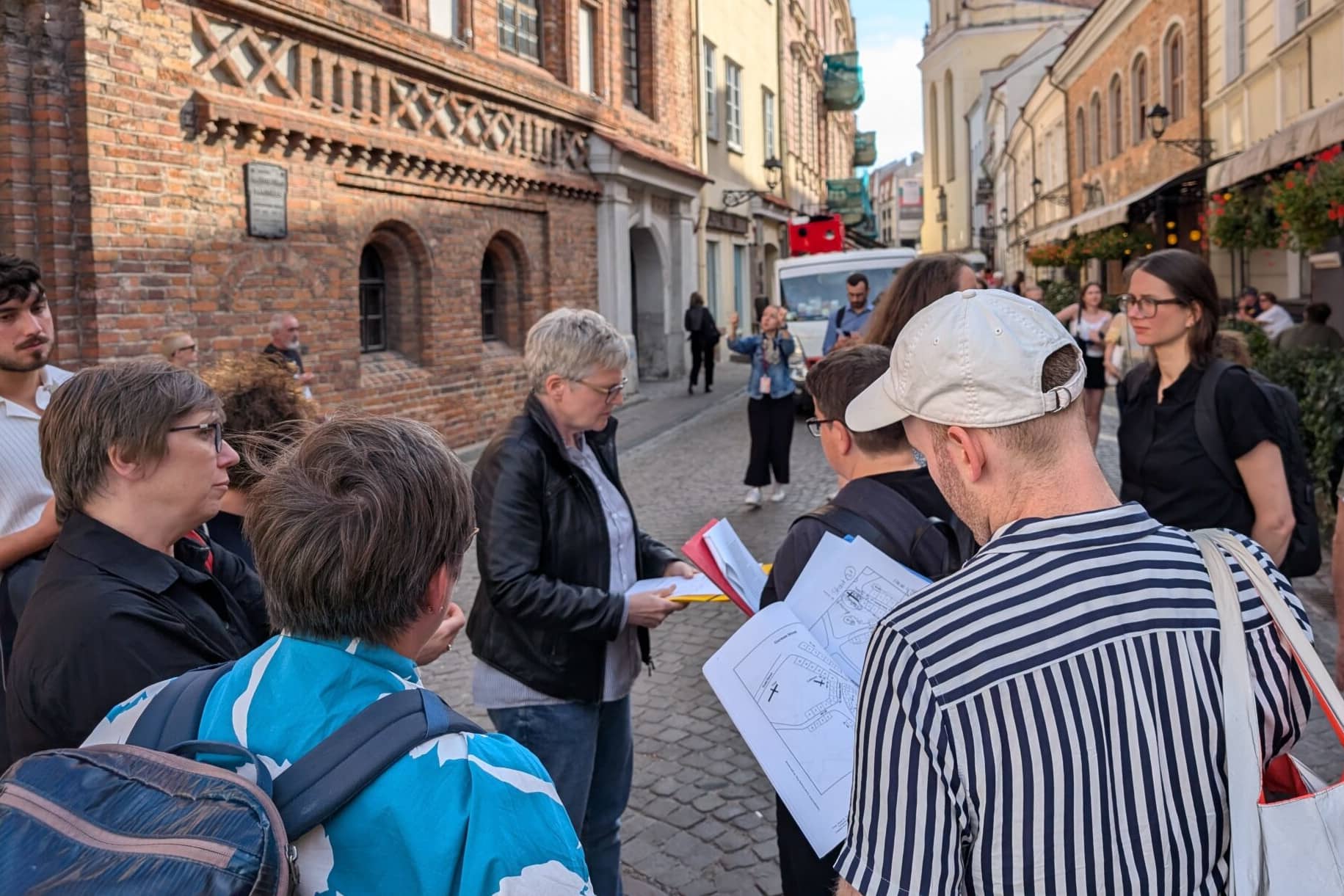
Vilnius is unique among European cities, with its history of religiously mixed neighbourhoods and stunning intra-Christian plurality. That is why the POLY research group boarded a plane to Lithuania in Septembe...
In July 2024, the annual Frankfurt Summer School for Early Modern History, supported by the POLY Research Group, took place on the Westend Campus of the Goethe University.
Coping with religious plurality in the early modern age: This could be the title of a dialogue between Andreea Badea, Alexandra Walsham and Louise Zbiranski.
Between the 19th and 20th of May 2023, the POLY Research Group held its annual conference in Bad Homburg. The symposium aimed to trace the role of the body during the religious upheavals of the European Reforma...
In the latest issue of UniReport, the journal of Goethe University Frankfurt, POLY Fellows Elke Morlok and Níels Eggerz shared some of the insights from their research project on early modern Kabbalah, explorin...